
How to 3D Print Molds for Carbon Fiber Parts
Create Molds Suitable for Ambient Cure Processes Including Wet-Lay-Up, Vacuum Bagging, and Resin Infusion.
Introduction
In this tutorial, we bypass the traditional method of creating a mold from a pattern and instead use 3D printing to produce the mold directly.
This streamlined carbon fiber process is designed for makers and hobbyists who don’t have access to specialized equipment or high-temperature epoxy systems.
We’ll start with an FFF 3D print that includes built-in barriers, apply a release coating, and then fabricate the carbon fiber part using a straightforward hand layup method. For non-cosmetic applications, parts can be used directly out of the mold.
However, due to the inherent surface texture of 3D printing and the limitations of hand layup, the finish may not be flawless. To achieve a polished, professional-grade result, the part can be coated with XCR coating resin, then flatted and polished to a high-gloss finish.
Material Compatibility
PET-G filament is highly recommended for this process due to its excellent release properties when used with epoxy resin. In contrast, ABS should be avoided as a mold material, as it often makes releasing the cured epoxy difficult and unreliable.
Once the 3D print is complete, the mold should be treated with a suitable release agent. PVA release agent is the most dependable choice—it not only ensures a clean release from the epoxy but also helps to smooth out visible layer lines from the print.
Molds created with this method are compatible with most conventional resin systems, including epoxy, polyester, and vinylester. They are particularly well-suited for hand layup processes, with or without vacuum bagging. While resin infusion is possible, it’s important to note that typical 3D prints are not fully airtight, so an envelope bagging technique may be required.
However, molds made using this technique are not suitable for elevated temperature curing, such as that required for prepreg composites. Even if the HDT (heat deflection temperature) of PET-G is not technically exceeded, the stress exerted by vacuum bagging during high-temp cures can lead to significant warping and distortion.
Materials & Equipment Needed
3D Printed Part – This tutorial uses the Ultimaker S5, a cost-effective, end-to-end 3D printer compatible with hundreds of ready-to-use materials.
PETG Filament – Chosen for its excellent release properties when used with epoxy resin.
PVA Release Agent – Essential for prepping the mold and ensuring a smooth, clean release from the epoxy.
XC110 210g 2×2 Prepreg Carbon Fiber – We’re using three plies for this project, but other dry composite reinforcements can also be used depending on your needs.
EL2 Laminating Epoxy – Specially formulated for wet layup applications, offering superior strength and excellent wet-out characteristics. The inner surface of the part is finished using our Economy Peel-Ply for a clean, professional look.
XCR Coating & NW1 Polishing Compound (optional) – Ideal for post-processing your carbon fiber part, these products help achieve a high-quality, cosmetic finish.
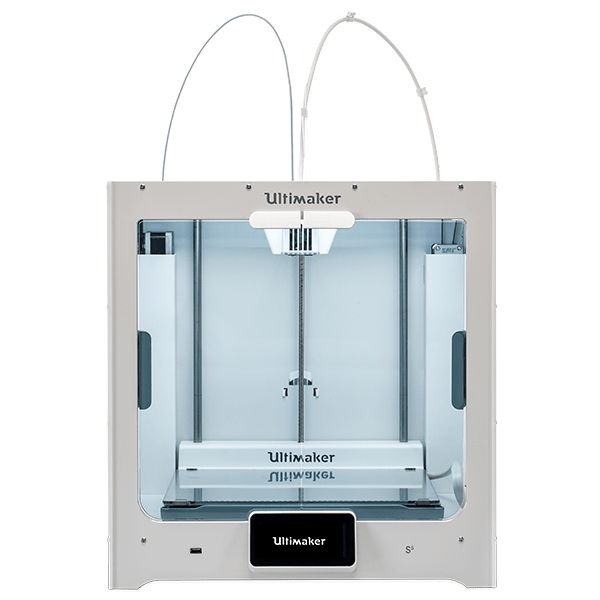
Ultimaker S5
A large, easy-to-use 3D printer with massive, ready-to-print material ecosystem.
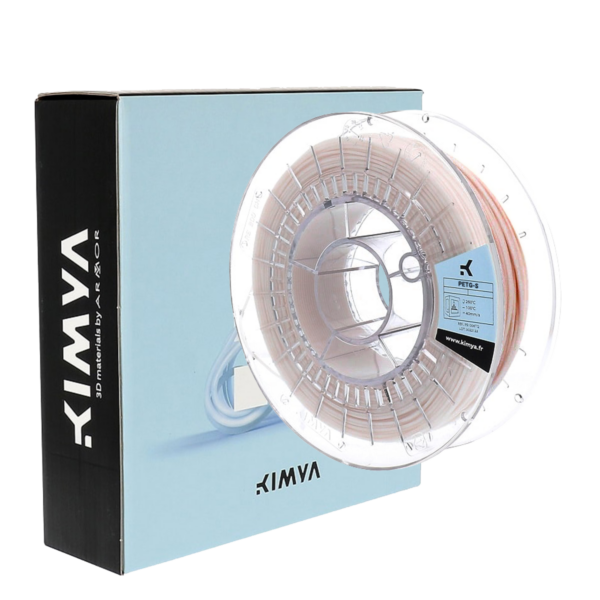
Kimya PETG
An affordable, highly versatile, and easy-to-use 3D printing material.
The Process
1. Create the Print
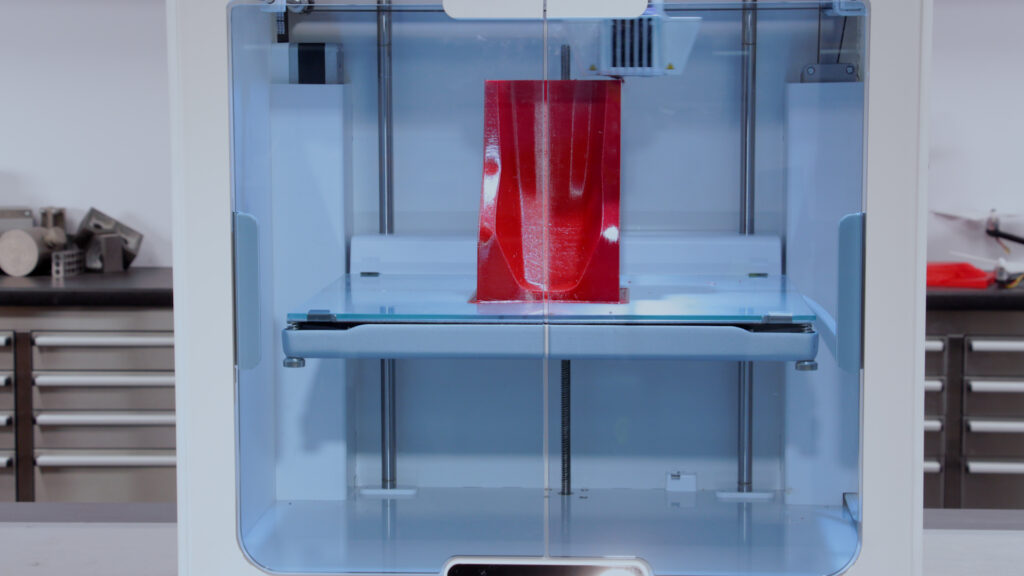
Design and 3D print your mold, incorporating any flanges or extensions needed to support the layup process. We recommend using PET-G for directly printed molds thanks to its excellent release properties. Printing at a higher resolution will result in a smoother mold surface, making part removal easier and more reliable.
For this project, we used standard CURA Slicer settings with a 0.15 mm layer height. Whenever possible, orient the print so that the layers run parallel to the release direction—this minimizes mechanical locking caused by the layer texture. That said, as long as your design includes a draft angle of 5 degrees or more, good part release is achievable even if the layer lines are perpendicular.
For larger molds, consider using BigRep 3D printers, which offer build volumes up to 1 cubic meter. Alternatively, large designs can be printed in sections and bonded together using a suitable adhesive. However, keep in mind that PET-G’s low surface energy—while great for releasing parts—can make bonding more challenging, so appropriate adhesives should be carefully selected.
2. Apply the Release Agent
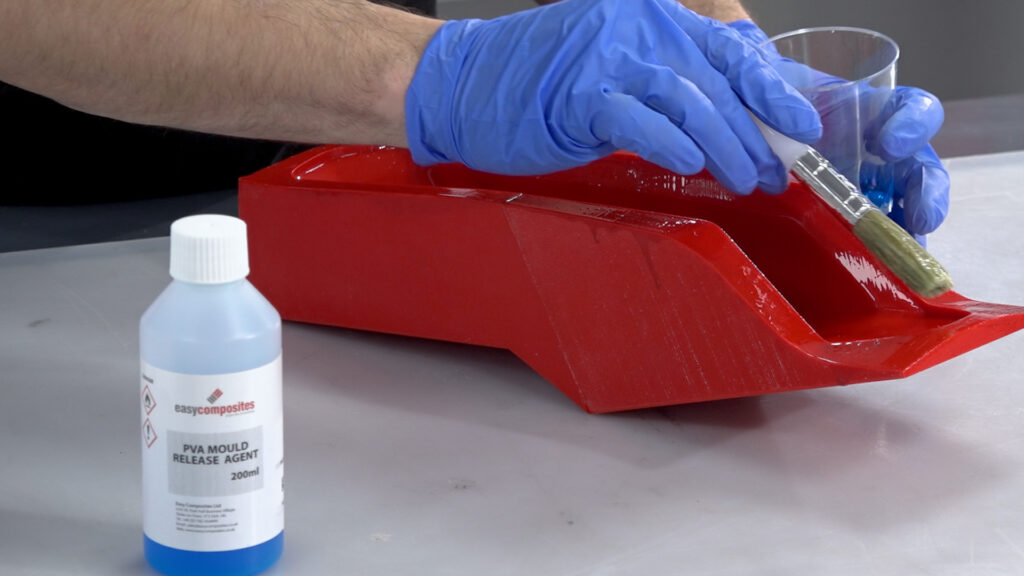
While PET-G naturally offers some release properties with epoxy resins, a release agent is still essential to ensure clean separation of the part from the mold. We recommend using PVA release agent, which provides fast, consistent, and reliable results in this process.
Apply a single, even coat of PVA by either brushing or wiping it across the mold surface. The application should be generous enough to cover fully, but not so heavy that it causes drips or runs. After application, allow the release agent to dry at room temperature—this typically takes around 30 minutes.
3. Laminate the Part
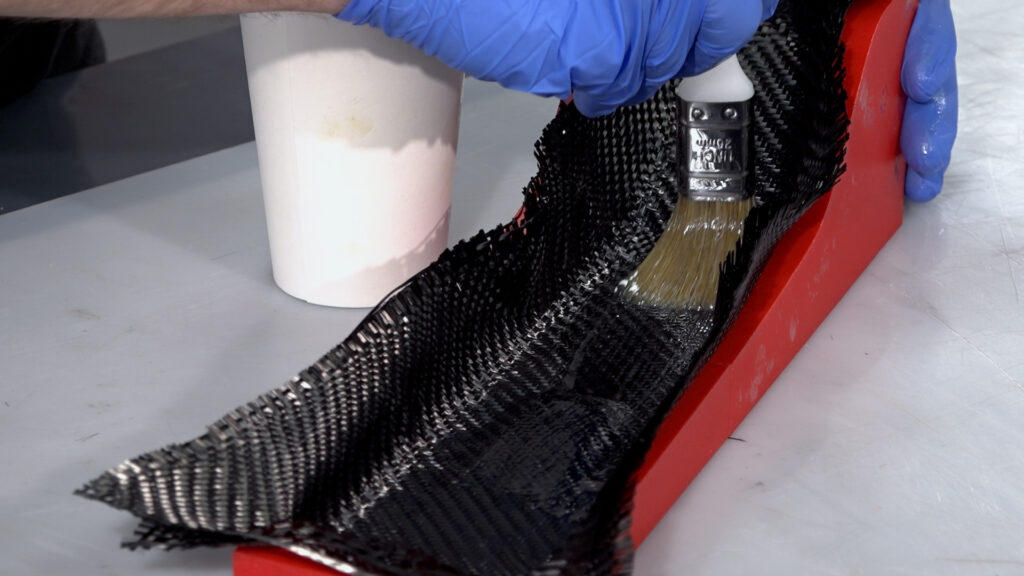
For this project, we’re using EL2 laminating resin. It’s essential to mix the resin and hardener thoroughly and accurately. To ensure a complete mix with no unmixed resin, it’s good practice to pour the mixture into a second container and stir again before use.
Before applying the carbon fiber, coat the mold with a thin, even film of resin. During hand layup, aim to place the carbon fabric onto the wet resin and continue wetting it out from underneath. This technique promotes even resin distribution and helps minimize air bubbles. For small or detailed components, a laminating brush works best, while rollers or squeegees are ideal for larger or flatter surfaces.
In a typical wet layup, you’re targeting a 1:1 fiber-to-resin ratio—so for every 100g of fiber, use approximately 100g of resin.
If your part is 3mm thick or less, you can usually laminate all layers in a single operation. For thicker parts, it’s best to split the process into multiple stages to avoid shrinkage issues and reduce the risk of thermal runaway (exotherm).
For this project, we finish the layup with a layer of peel-ply. This creates a clean inner surface and provides a textured finish suitable for secondary bonding. Once the peel-ply is applied, allow the part to cure at room temperature. Cure times vary based on the chosen hardener and ambient conditions but typically range from 12 to 48 hours.
Caution: Never leave mixed EL2 resin in a mixing cup if the depth exceeds 5mm. This can cause thermal runaway, which is potentially hazardous. To prevent this, pour excess resin into a shallow tray to spread out the material and/or place the container in a safe outdoor location to avoid overheating.
4. Trim
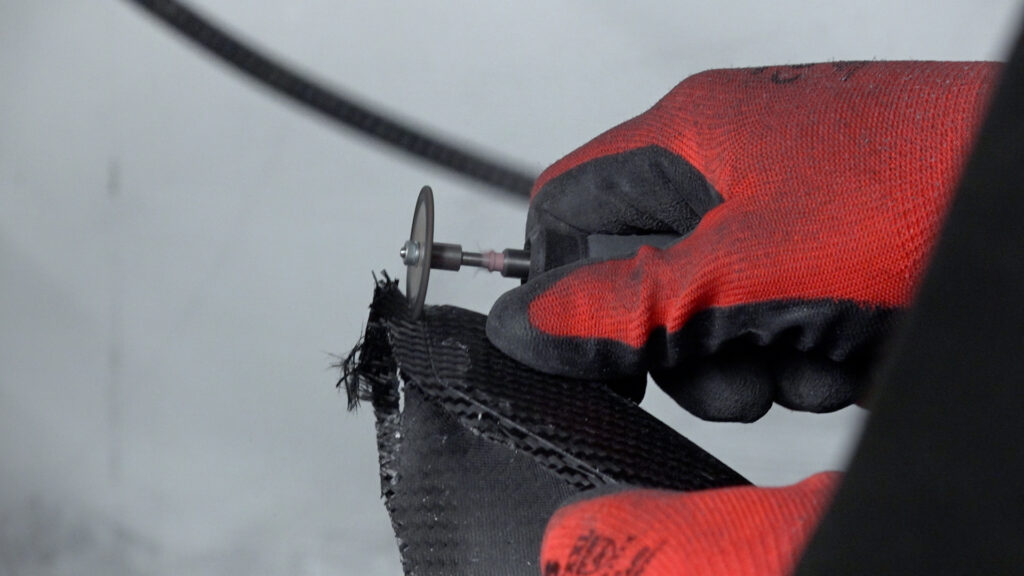
After demolding, trim and finish the part to achieve clean, smooth edges. For this project, we used a rotary tool (Dremel-style) fitted with a 32mm Permagrit cut-off wheel—an excellent all-purpose trimming tool known for its durability and ability to handle extended use without wear.
Once trimmed, we refined the edges with a sanding block and finished with 240-grit sandpaper for a smooth, uniform edge. If you’re satisfied with the surface finish provided by the XCR coating, the part can be used as-is. However, for a more polished and professional appearance, we recommend sanding and polishing the surface to achieve a consistent, high-quality finish.
5. Prepare the Surface for Coating
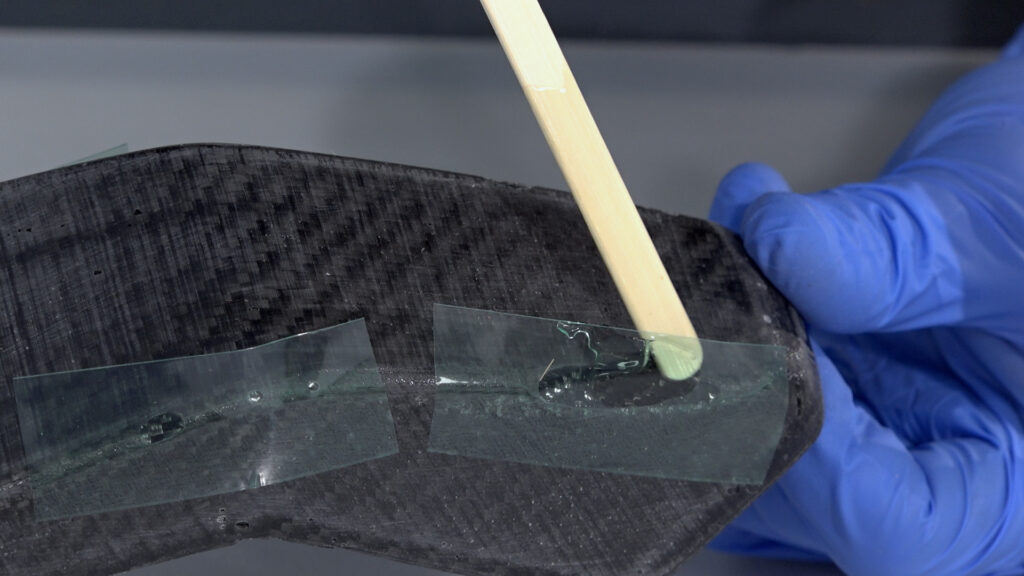
To achieve a smooth, cosmetic finish free from pinholes and visible print layer lines, the part can be coated with a clear resin or topcoat. Before applying the coating, the surface should be carefully abraded using 400-grit wet-and-dry sandpaper. This creates a suitable surface profile for optimal adhesion.
If your part contains voids or noticeable pinholes, these should be filled with resin prior to coating. For larger voids, you can create a temporary barrier using flash release tape to hold the resin in place during curing. Either EL2 laminating resin or XCR coating resin can be used for filling, depending on your preference.
Once the filler resin has cured, sand the repaired areas back to a flat, even surface using 400-grit sandpaper. This ensures a seamless blend with the surrounding material, providing a clean foundation for your final finish.
6. Coat with XCR Coating Resin
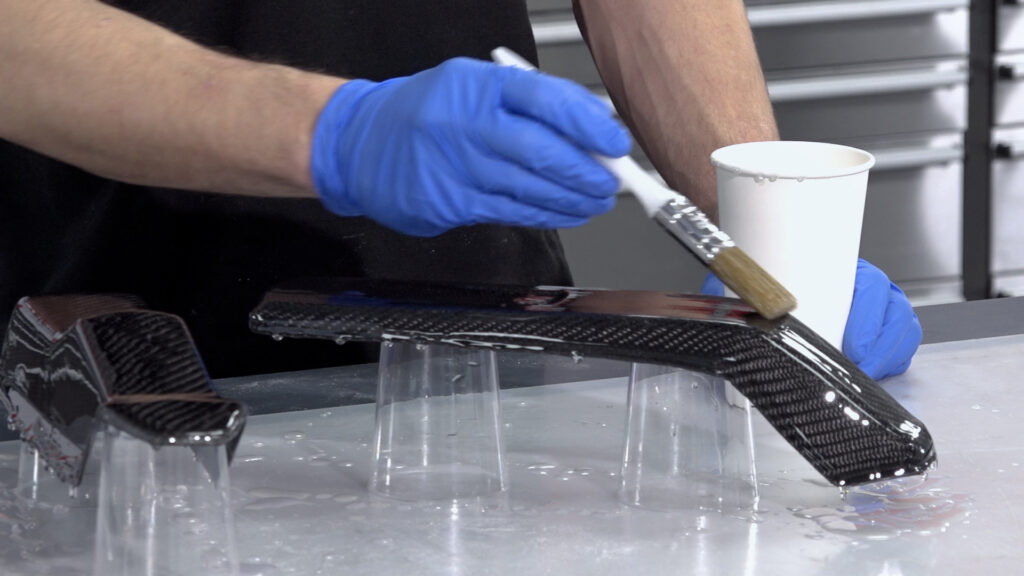
Once the part has been repaired and sanded, it’s ready to be coated for a smooth, glossy, and durable finish. While a clear automotive spray coat can be used, in this project we’re applying XCR epoxy coating resin, which provides excellent durability and can be easily brushed on.
Apply the XCR resin at an average rate of 300 grams per square meter per coat. Be sure to mix more resin than you think you’ll need to account for losses in cups, brushes, and handling. For best results, mix the resin and hardener in a precise 100:35 ratio by weight—aiming for accuracy within one-tenth of a gram when mixing small batches.
First, mix the resin and hardener thoroughly in one cup, then transfer it to a second cup and mix again to eliminate any unmixed portions.
Using a brush, apply a thin, even coat over the surface. Avoid overloading the part, as this can lead to drips and runs. Revisit the part a few minutes after application to smooth out any excess resin.
Depending on the result of the first coat, a second coat may be needed to fully cover any remaining surface imperfections. Apply the second coat once the first has reached its B-stage—when the surface feels tacky to the touch but doesn’t leave residue. For XCR resin, this usually takes around three hours, though timing may vary with room temperature.
After the final coat is applied, allow the part to fully cure for 12 to 24 hours, depending on environmental conditions.
Caution: Do not leave mixed XCR resin in a cup deeper than 5mm, as this may lead to thermal runaway, posing a safety risk. To avoid this, pour excess resin into a shallow tray to spread the heat load, or move the container to a safe, well-ventilated outdoor space.
7. Sand & Polish
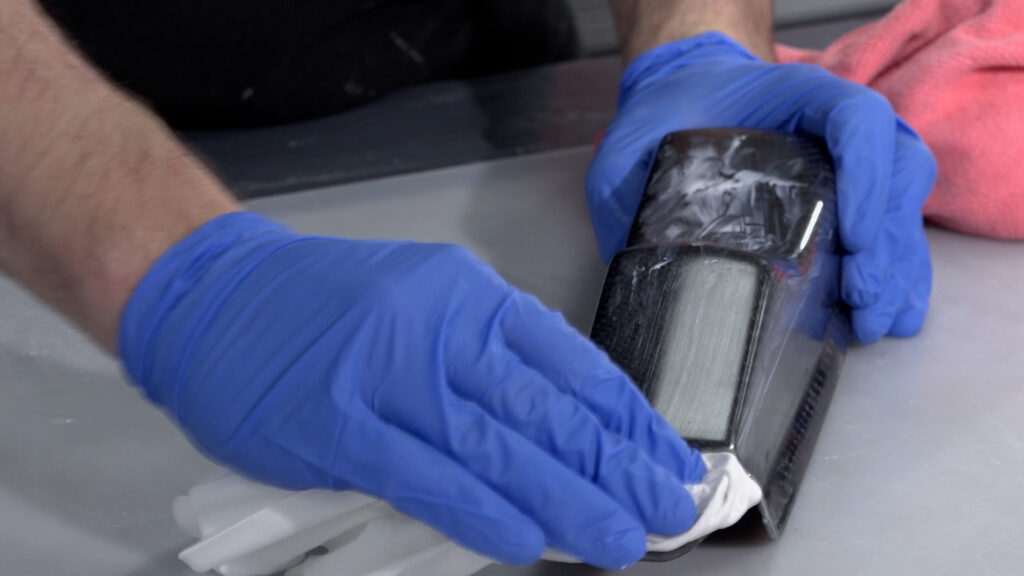
If you’re satisfied with the finish left by the XCR coating, the part can be used as-is. However, for a more refined, consistent, and professional appearance, sanding and polishing is highly recommended.
Begin the sanding process with the finest grit paper that still allows you to quickly level the surface—typically 400 or 800 grit wet-and-dry sandpaper. Wet sanding is preferred to prevent clogging and achieve a smoother result. Gradually progress through finer grits, working up to at least 1200 grit. Use a sanding block on flat and gently curved surfaces to maintain an even finish; for more complex curves, hand-sanding with flexible paper is ideal.
Each time you switch to a finer grit, clean the part and refresh the water to avoid scratches from residual particles left by coarser abrasives.
Once the surface is fully prepped, move on to polishing using NW1 polishing compound. For best results, especially on larger parts, apply it with a foam pad on a polishing machine.
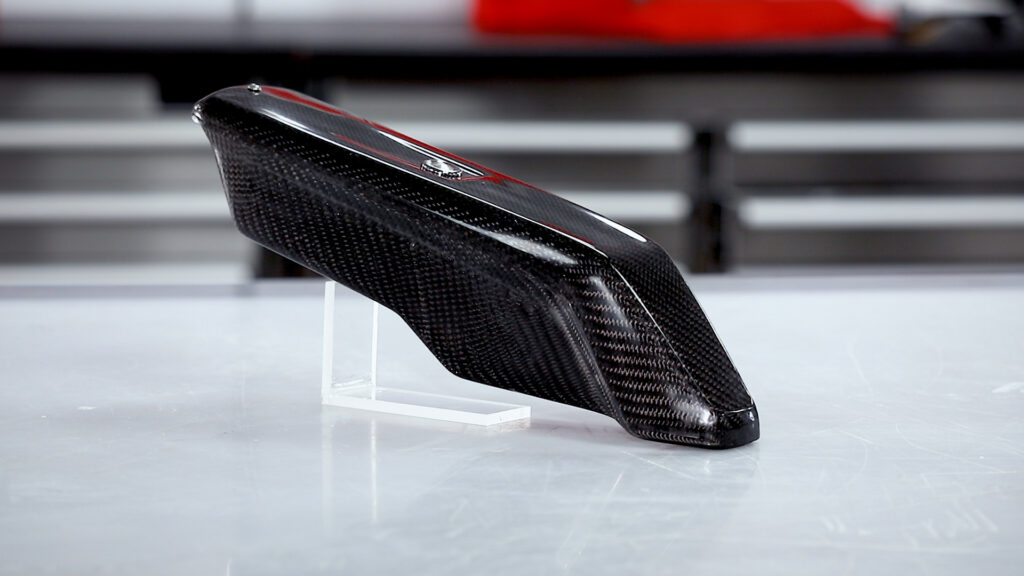
Unlike many polishing products, NW1 requires no water and doesn’t dry out quickly. It’s a self-diminishing compound, meaning it becomes finer the longer you work it—allowing you to achieve a mirror-like finish in a single step. After polishing, simply wipe off any remaining compound with a microfiber cloth to reveal a smooth, high-gloss surface.
2021 Edition
Professional 3D Printer Buyers Guide
Choosing the right 3D printer doesn’t have to be difficult. Find the perfect printer for your application. This in-depth guide covers pricing, materials, dimensional accuracy, and more.