
Vacuum Casting/Silicone Molding/Urethane Casting Services
Get an instant quote for small-batch production of high-quality parts with Fioria—ideal for prototypes and low-volume manufacturing runs from 10 to 1,000 pieces.
We support build sizes up to 1500 × 1000 mm and are ISO 9001:2015, ISO 13485, and AS9100D certified for guaranteed quality and precision.
Why Use Fioria for Vacuum Casting/Silicone Molding/Urethane Casting Services?
Nearly 80,000 customers across Europe and North America have chosen Fioria’s Vacuum Casting, Silicone Molding, and Urethane Casting services—and here’s why:
1. Fast Turnaround
With 20+ vacuum casting machines running 24/7, we ensure rapid production without compromising quality. Depending on the size and quantity of your parts, your order can be completed in as little as 10 days.
2. Exceptional Material & Finishing Flexibility
Fioria supports build sizes up to 1500 × 1000 mm, giving you the flexibility to handle a wide range of part dimensions.
Choose from 10+ premium materials, including ABS-like, PP-like, rubber, and high-temperature options—each engineered for specific performance needs. Whether you need ultra-soft Shore A or highly durable Shore D, our vacuum casting service has you covered.
We also offer a variety of finishing options such as painting, polishing, and more. Simply provide your color specifications, and we’ll deliver parts finished to your exact aesthetic requirements.
3. Cost-Effective Production
Vacuum casting offers a budget-friendly way to produce small batches of high-quality, injection-mold-like parts—perfect for prototypes or low-volume production in low-stress environments.
Even better, our pricing is up to 70% more affordable than many European and American competitors—without sacrificing quality or reliability.
What are Vacuum Casting/Silicone Molding/Urethane Casting Services?
Vacuum Casting, also known as Silicone Molding or Urethane Casting, is an efficient and versatile manufacturing process that combines silicone molds with a 3D-printed master pattern to produce small batches of high-quality parts in a short timeframe. Each cast part precisely replicates the color, texture, and geometry of the original model, delivering exceptional accuracy and surface finish.This process is perfectly suited for applications such as fit and function testing, marketing samples, concept validation, and high-end prototyping. It is also widely adopted for producing customized end-use parts, especially in low volumes.With the ability to produce between 10 and 1000 flawless plastic components, vacuum casting is an ideal solution for turning your ideas into professional-grade parts—quickly, reliably, and without the high cost of traditional tooling.
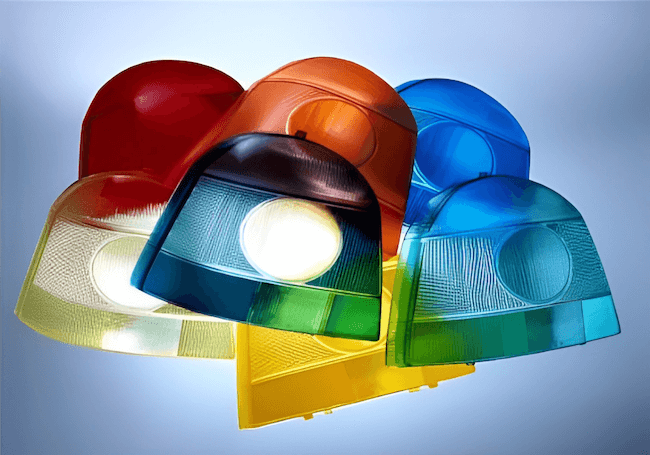
Custom Molding Services: Soft Glue, Hard Glue, Transparent Parts Vacuum Casting, Bicolor Parts Vacuum Casting
The hardness range of Unionfab’s rubber and silicone materials falls between 30 and 90 Sh
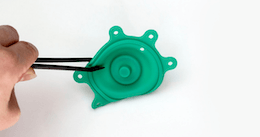
Soft Glue
The hardness range of Unionfab’s rubber and silicone materials falls between 30 and 90 Shore A.
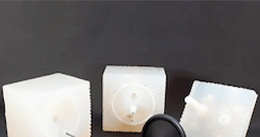
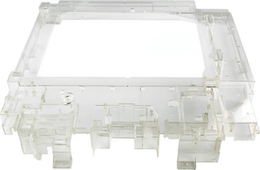
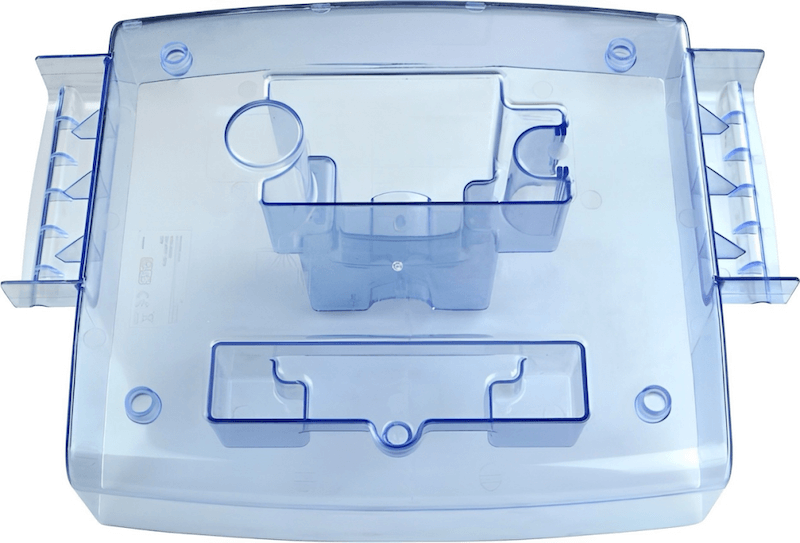
Transparent Parts Vacuum Casting
Unionfab supports the production of transparent and translucent parts with Vacuum Casting, and also provides surface treatment services such as frosted finishing.
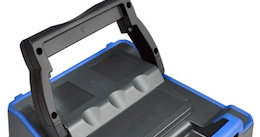
Bicolor Parts Vacuum Casting
High temperature vulcanization and molding processes form the desired shapes from raw materials, guaranteeing long-lasting colors that won’t fade.
Metal 3D Printing Tolerances
| Feature | Description |
|---|---|
|
Maximum Part Size |
1500 x 1000 (mm) |
|
General Tolerances
|
±0.25mm (The minimum tolerance is ±0.1mm.)
|
|
Customization Services
|
We can paint the parts in two or multiple colors according to your requirements.
|
|
Typical Lead Time
|
7-12 Business Days
|
Vacuum Casting/Silicone Molding/Urethane Casting Materials
Color:Beige/Black/White
Hardness:83 Shore D
Heat-resistance:70-80℃
Properties:Have good mechanical properties similar to ABS thermoplastic materials
Color:Transparent (Color can be customized)
Hardness:83 Shore D
Heat-resistance:70-80℃
Properties:High transparency and low shrinkage
Color:White/Black
Hardness:83 Shore D
Heat-resistance:70℃
Properties:High impact strength, high elongation at break, and excellent flexibility
Color:White/Black
Hardness:87 Shore D
Heat-resistance:120℃
Properties:High heat-resistance, corrosion resistance, acid and alkali resistance, high strength, and good wear resistance
Color:Transparent (More transparent and expensive than PC-like)
Hardness:87 Shore D
Heat-resistance:70-80℃
Properties:High transparency, low shrinkage, and excellent UV resistance
Color:White
Hardness:80 Shore D
Heat-resistance:120℃
Properties:High impact strength, similar to thermoplastic POM
Color:White/Black
Hardness:82 Shore D
Heat-resistance:60-70℃
Properties:Flame retardant materials with fire resistance and mechanical properties similar to ABS
Color:Black
Hardness:80 Shore D
Heat-resistance:200℃
Properties:High heat-resistance, other properties similar to ABS
Color:Black
Hardness:80 Shore D
Heat-resistance:120-130℃
Properties:Resistant to medium temperature, other properties similar to ABS
Color:White/Black/Translucent
Hardness:30-90 Shore A
Heat-resistance:100℃
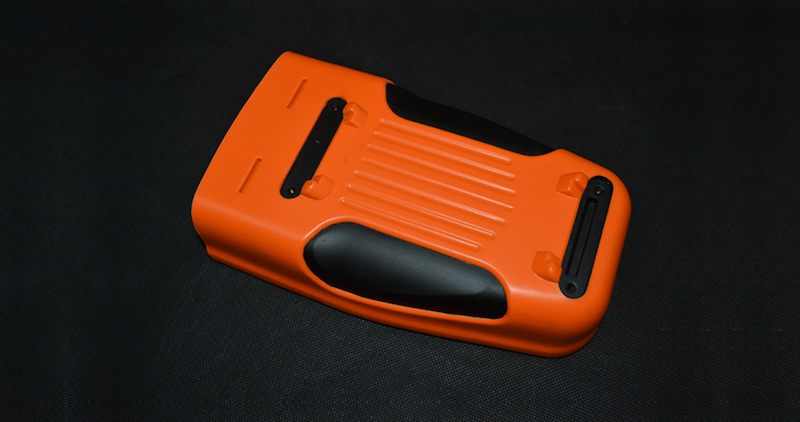
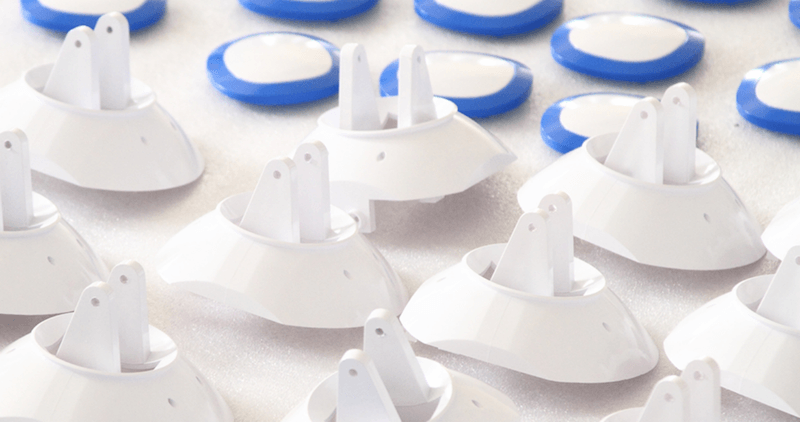
Vacuum Casting/Silicone Molding/Urethane Casting Finishes
Vacuum Casting/Silicone Molding/Urethane Casting Design Guidelines
| Feature | Description |
|---|---|
|
Max Part Size |
1500 x 1000 (mm)
|
|
General Tolerances
|
±0.25mm (The minimum tolerance is ±0.1mm.)
|
|
Maximum Quantity
|
100 Pieces Per Type
|
|
Surface Finish Options
|
Polishing/Painting/Matte/Frosted/Semi-Gloss/High-Gloss/Textured
|
|
Minimum Wall Thickness
|
0.75 mm, but 1.5 mm is recommended
|
|
Typical Lead Time
|
7-12 Business Days.
|
Vacuum Casting/Silicone Molding/Urethane Casting FAQs
Vacuum Casting can produce high-quality and sturdy parts, with physical properties comparable to Injection Molding and structurally superior to 3D printed parts.
Compared to Injection Molding, Vacuum Casting has lower costs and is the ideal cost-effective method to create small batch parts. Additionally, the turnaround time is faster for Vacuum Casting than Injection Molding. Vacuum Casting molds are much quicker to make than Injection Molding molds, which can be created by 3D Printing or even by hand, significantly shortening lead times.
Vacuum Casting is widely utilized in industries such as aerospace, automobiles, home appliances, toys, and medical devices. It is particularly suitable for the trial production of small batch samples during the development stage of new products.
There’s no MOQ for Fioria. We offer one-off prototypes and small-batch production. It should be noted that Vacuum Casting is more cost-effective when the quantity is about 5 pieces or more.
The Vacuum Casting molds have a short lifespan, typically around 20 moldings. We will dispose of them when the production is fully completed. If you wish to keep the 3D printed or CNC machined master model, please discuss directly with us.
Vacuum Casting/Silicone Molding/Urethane Casting Applications
Low-Volume Production
Vacuum casting is an ideal solution for low-volume production, especially when manufacturing plastic parts in quantities from 10 to 1000 pieces. This method offers excellent dimensional accuracy and consistency across every part, making it a reliable choice for high-quality, small-batch manufacturing.
Advanced Prototyping
The vacuum casting process uses low-cost tooling, making it a cost-effective and accessible option for producing high-quality prototypes. It supports a wide range of materials and allows for easy design modifications, enabling rapid iteration and streamlined testing. This flexibility makes vacuum casting an excellent choice for preparing prototypes for functional evaluation and accelerating product development.
Market Testing
Vacuum casting is an ideal solution for consumer testing, user evaluation, and conceptual modeling. It enables the creation of prototypes using materials that closely match those intended for mass production, delivering results that are highly comparable to traditional manufacturing methods. The process accurately replicates the final design’s mechanical and functional characteristics, including surface smoothness, rigidity, and flexibility—making it a powerful tool for realistic product validation before full-scale production.